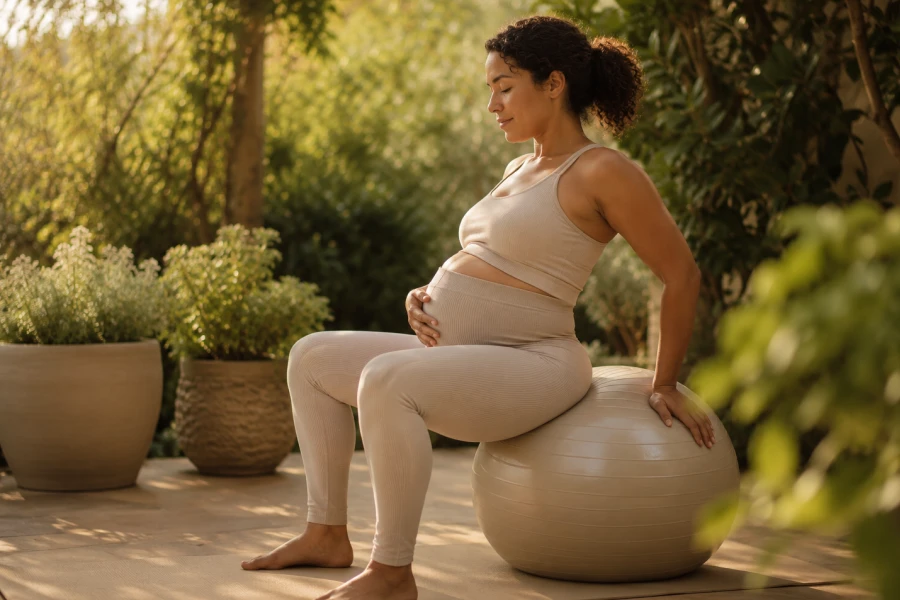
Start with a setup that feels stable, private, and easy to repeat. For a expecting parent, prenatal yoga ball exercises can offer a practical place to begin. The aim is not to chase a dramatic result or prove dedication. Instead, the practice can support gentle, home-based movement for confidence and comfort. Choose simple movements that support comfortable hips, a relaxed back, and calm breathing. That approach keeps attention on present comfort, not comparison. With sensible pacing, you can make choices that fit your actual day. Over time, the payoff may be a steadier sense of readiness rather than a performance target. Every beginning is easier to sustain when it makes room for uncertainty and learning. It lets you notice progress without measuring every session. Real change usually starts with a gentle decision.
Start with a setup that feels stable, private, and easy to repeat. Start by noticing the conditions that make the practice feel doable. Your room, timing, clothing, and available support all shape the experience. Small preparations reduce friction before it has a chance to become an excuse. Many people appreciate a resource that turns broad intentions into clear next steps, such as prenatal birth preparation. Keep the first session modest enough that you could comfortably repeat it tomorrow. This is how a new ritual earns trust instead of becoming another demanding task. Progress matters most when it feels compatible with ordinary life. A simple first step lowers the barrier between good intentions and actual follow-through. Because the demand stays reasonable, you are more likely to begin even when your schedule is crowded. Practical routines prove themselves through ordinary repetition.
Before adding complexity, build around one familiar action and one reliable cue. That might mean beginning after breakfast, before a shower, or when you return home. Make the option visible so memory does not have to carry the whole plan. A carefully chosen reminder can support consistency, while yoga ball safety tips keeps the larger purpose close. Notice what feels supportive, neutral, or unnecessarily difficult. Then adjust one variable rather than abandoning the entire idea. That kind of responsiveness makes a personal routine more durable. That small structure preserves energy for attention rather than constant decision making. Clear cues also make it easier to restart after travel, disruptions, or a brief break. Trust grows when the next step stays simple.
Comfort and sustainability often come from permission to scale a practice down. On an energetic day, you may linger with the elements that feel most meaningful. On a crowded day, a shorter version still protects the habit. Use the process to explore breathing for labor and mindful labor support as a flexible support rather than a fixed rule. Pay attention to your pace, your attention, and any signals to pause. The most effective adjustment is usually the smallest one you will actually maintain. That choice preserves momentum without turning wellness into another pressure point. Flexibility is not a compromise when it helps the practice remain genuinely useful. That approach respects the fact that useful habits must survive imperfect weeks and changing priorities. Small adjustments can protect both energy and consistency.
Consistency grows through repetition, yet repetition does not require identical sessions. Some days call for focused effort, while others call for quiet observation. Both can belong to the same personal rhythm when the intention remains clear. Keep a short note about what helped, what felt awkward, and what you want to try next. That reflection helps you see patterns that a single session cannot reveal. Let your own experience be useful data, but avoid treating it as a verdict. Supportive resources can add ideas without replacing personal judgment. This mindset makes it easier to return after interruption without unnecessary self-criticism. Curiosity offers a better response than criticism whenever a routine needs another adjustment. That awareness keeps progress more personal and more useful.
Environment matters because attention follows what the space makes easy. Put away obvious distractions, silence a notification, and choose a level of privacy that feels reassuring. Simple details can make a short practice feel more intentional without making it precious. At the same time, resist the urge to wait for ideal conditions. A workable version in a lived-in space is usually more valuable than a perfect plan that never starts. Return to the basics whenever your routine begins to feel overly complicated. Clarity often arrives when you remove rather than add. In practice, the best setting is usually the one you can use again. Let the space serve the purpose, rather than allowing preparation to become another complicated project. Simplicity gives good intentions somewhere concrete to land.
Personal boundaries belong at the center of any wellness or reflective practice. Choose a pace that respects your energy, experience, and responsibilities. Stop when something feels unsafe, overwhelming, or wrong for your body or mind. Near the end of pregnancy, check with your obstetric clinician or midwife before starting or changing any movement routine, especially if you have pain, bleeding, dizziness, contractions, or a high-risk pregnancy. With that boundary in place, you can approach the next session with more confidence. A thoughtful routine does not demand perfection; it gives you a reliable place to return. That is what allows a modest practice to become meaningful over time. Treat the routine as a support, not an obligation, and let it remain humane. That perspective supports steadiness while keeping your own wellbeing firmly at the center of every choice. Steady care remains more valuable than dramatic effort.




Leave a comment